; ?>)

The Tellar Revolution: How One Platform Is Restoring Trust in Fashion Recommendations
By Ella Blake — Sizing Expert Stylist & Founder of TellarDate: 2025
Always Honest, Unbiased, Unsponsored & Free Content.
A New Kind of Shopping Companion Emerges in the Age of Influencer Fatigue
In an era where every Instagram post seems to come with a sponsored tag and TikTok influencers monetise their morning coffee routine, a quiet revolution is taking place in the British fashion technology sector. Tellar, a UK-based platform, is positioning itself as the antidote to an increasingly commercialised digital fashion landscape—offering what its founders call "radical transparency" in an industry built on affiliate relationships and sponsored content.
The premise is deceptively simple: free, real-time sizing recommendations across more than 1,500 global brands, paired with a searchable digital library of over 4,000 independent fashion posts. But beneath this straightforward value proposition lies a more ambitious mission—to rebuild consumer trust in fashion recommendations at a time when traditional media has waned and social media influence has become synonymous with commercial endorsement.
The Trust Deficit in Digital Fashion
The fashion recommendation ecosystem has undergone a seismic shift over the past decade. Where consumers once turned to magazine editors and style columnists for unbiased guidance, they now navigate a fragmented landscape dominated by influencers, affiliate marketers, and algorithm-driven content. The result, according to industry observers, is a growing skepticism about the authenticity of product recommendations.
"Every recommendation seems monetised," notes the Tellar team in their mission statement, articulating a sentiment that resonates with increasing numbers of online shoppers. "We believe in a world where traditional media is waning and online Instagram, TikTok, YouTube media dominates via influencers, it's a shame that buyers cannot trust brand and product recommendations."
This trust deficit has real consequences. Returns in online fashion retail remain stubbornly high—industry estimates suggest 30% or more of purchases are returned, often due to sizing issues compounded by uncertainty about whether a product genuinely suits the buyer's needs or was simply promoted for commercial gain.
A Different Business Model
Tellar's approach represents an attempt to square a difficult circle: how to operate a commercially viable platform while maintaining editorial independence. The platform's content is produced entirely by in-house fashion stylists, eliminating the external sponsorship pressures that often compromise independent fashion blogs and influencer content. This approach spans the full retail spectrum—from high street stalwarts like Zara and H&M, to independent boutiques, through to luxury designer brands—ensuring that recommendations are based on merit rather than marketing budgets.
The Technology Behind the Service
At its technical core, Tellar functions as a sophisticated measurement-matching system. Users input three key measurements—chest, waist, and hips—which the platform's algorithm then compares against size charts for over 1,500 brands in real-time. The system accounts for the notorious inconsistencies in fashion sizing: vanity sizing, regional variations between UK, US, and European standards, and brand-specific fitting philosophies.
The platform recognizes that a UK size 10 is not universally equivalent to a US size 6 or EU size 38, and that even within these rough conversions, dramatic differences in cut, fabric, and tailoring can render standard conversion charts unreliable. Tellar's database standardizes brand size charts and applies consistent sizing algorithms to provide personalized matches based on actual body measurements rather than label numbers.
The service addresses what fashion industry analysts identify as one of the most persistent pain points in online retail: the inability to try before you buy, compounded by brands' inconsistent sizing standards. Users create a free profile once, and their measurements are securely saved for future shopping sessions across any of the platform's 1,500+ brand partners.
For those without a tape measure, Tellar provides a free soft measuring tape to users—a small but significant detail that underscores the company's commitment to accessibility and reducing barriers to accurate sizing.
The Fashion Hub: Building a Digital Library
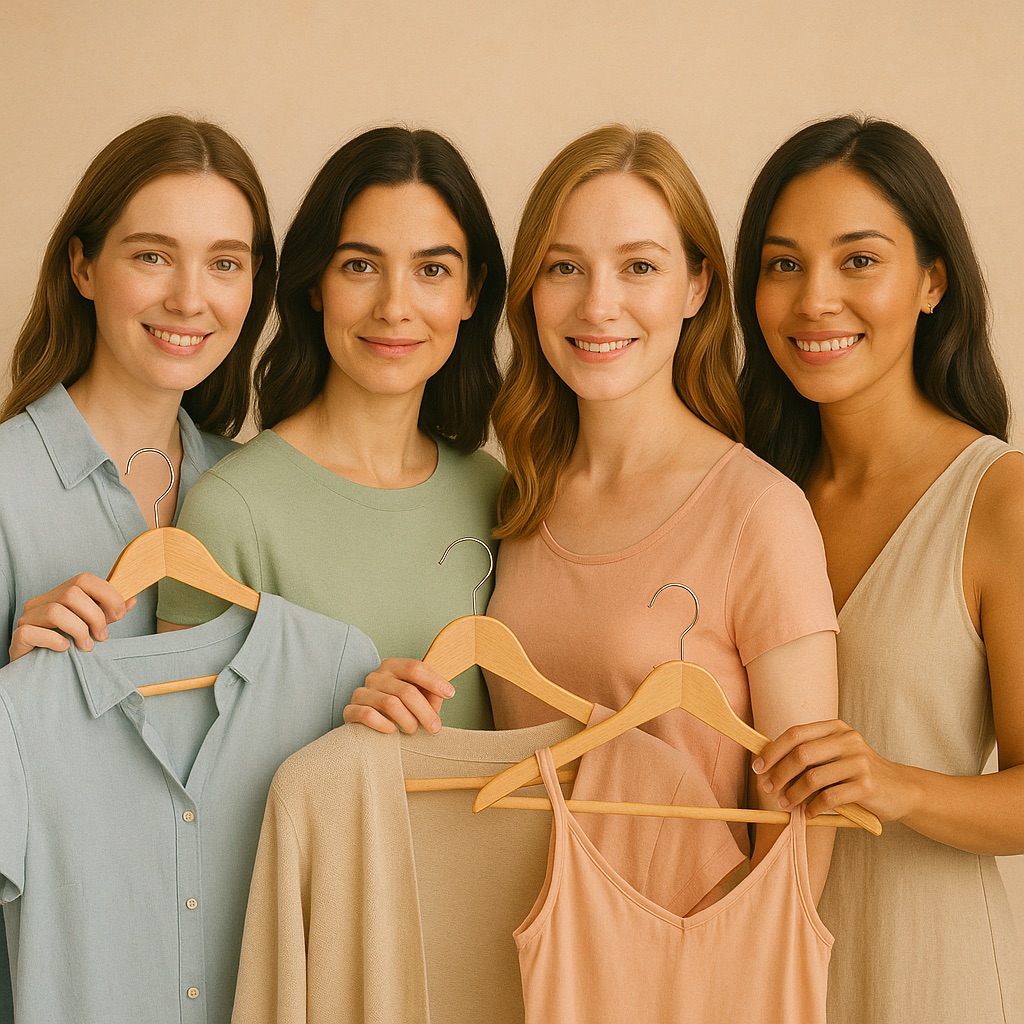
Beyond sizing technology, Tellar has developed what it describes as "the World's Largest, 100% Free, Fully searchable, Fashion Library"—a collection of over 4,000 fashion posts covering everything from brand sizing guides to style recommendations and trend analysis.
Each post is written by Tellar's in-house styling team, covering brands across the fashion ecosystem. The content ranges from technical sizing guides ("Does Superdry run big or small?") to broader educational content on international sizing standards and fit tips for specific body types.
The library functions as both a practical resource and a statement of intent. In an age of paywalled fashion journalism and subscription-based styling services, Tellar offers comprehensive fashion guidance at no cost. No advertisements clutter the reading experience, no sponsored posts interrupt the editorial flow, and no subscription fees gate access to content.
This democratisation of fashion expertise represents a direct challenge to both traditional fashion media—which increasingly relies on subscription revenue—and influencer culture, where product recommendations are often indistinguishable from paid promotions.
Looking Ahead: The Jeans Hub
Tellar's roadmap includes the imminent launch of what they're calling "the Jeans Hub"—a specialized tool designed to solve what many consider the most vexing challenge in online fashion retail: finding jeans that fit.
The complexity of denim sizing—with its intersection of waist, hip, rise, and inseam measurements, complicated by stretch fabrics and wildly varying brand fits—has made jeans one of the most returned items in online fashion. The Jeans Hub promises to match users with their perfect size across multiple brands in real-time, potentially transforming one of retail's most frustrating experiences into a seamless digital transaction.
The Broader Implications
Tellar's emergence speaks to a broader tension in digital commerce: how to maintain trust and authenticity in an ecosystem increasingly shaped by commercial incentives. The platform's model—openly acknowledging affiliate revenue while insisting on editorial independence—represents one approach to this challenge.
Whether this model proves sustainable at scale remains to be seen. The fashion technology sector is littered with ambitious platforms that struggled to balance commercial viability with their founding principles. But Tellar's combination of practical utility (sizing accuracy) with editorial integrity (unbiased recommendations) addresses two distinct but related consumer needs.
The platform also reflects changing consumer expectations. Younger shoppers, in particular, have grown increasingly sophisticated about the commercial relationships that underpin influencer culture and social media marketing. They seek tools that serve their interests rather than brands' marketing objectives—a shift that platforms like Tellar are attempting to capitalise on.
A Test Case for Trust
In many ways, Tellar represents a test case for whether transparency can serve as a competitive advantage in fashion technology. The company is betting that consumers, exhausted by the commercialisation of recommendations and frustrated by sizing inconsistencies, will value a platform that prioritises accuracy and independence over marketing relationships.
"Welcome to the new world, the Tellar world," the company declares on its website—a statement that might seem grandiose if it weren't anchored in such practical utility. For now, Tellar remains free to use, accessible to anyone with an internet connection and three basic measurements.
Whether the "Tellar world" represents the future of fashion recommendations or a niche solution for sizing-conscious shoppers will depend on the platform's ability to maintain its editorial independence as it scales, deliver consistently accurate sizing matches across an expanding brand database, and convince consumers that unbiased fashion guidance is still possible in an age of ubiquitous commercialisation.
For fashion consumers navigating an increasingly complex and commercialised digital landscape, Tellar offers something increasingly rare: a promise of honesty. In an industry built on aspiration and image, that might be the most radical proposition of all.
The Tellar Fashion Hub is the World's Largest, 100% Free, Fully searchable, Fashion Library. Filled with 4000+ Honest & Unbiased posts, written by our expert stylists.
No adverts, no sponsored posts, no subscriptions. We are 100% free to use.
Honest, Unbiased, Accurate & Free.